Designing a Scalable E-commerce Experience Within Shopify Constraints
From building the first responsive site → to designing structured e-commerce experiences within Shopify constraints Platform: Web (Responsive) Company: Astroworld Telescopes
Overview
This project focused on redesigning and customizing an e-commerce storefront built on Shopify. The goal was to improve usability, streamline user flows, and deliver a more cohesive experience—all within the constraints of an existing theme system.
Rather than treating this as a visual refresh, I approached it as a product design problem: how to create a scalable, user-centered experience while working within technical and structural limitations.
The Problem
The existing storefront faced several usability challenges:
Fragmented navigation made product discovery difficult
The purchased Shopify theme limited full customization
Improving the experience required working within constraints—not rebuilding from scratch
The business needed a more intuitive, conversion-focused experience without the cost and time of a full redevelopment.
My Role
Led UX and UI improvements across the storefront
Audited and restructured site architecture and navigation
Designed and implemented UI customizations within Shopify’s theme system
Translated business needs into scalable, system-based design solutions
Approach
1. Foundation: Systems Thinking from Web Design
My approach was grounded in my earlier experience designing web systems, including building the first responsive website for a college.
That work established my core strengths in:
Structuring clear navigation pathways
Designing relationships between pages, not just individual screens
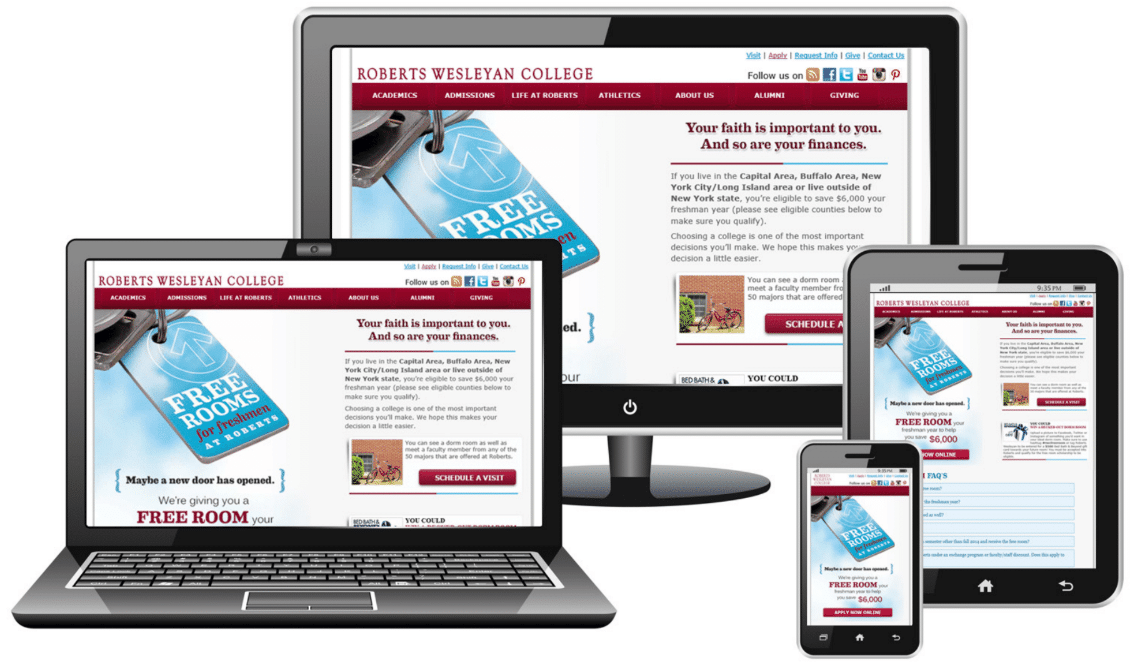
Creating responsive layouts for multi-device usability
This foundation directly informed how I approached the Shopify experience—not as isolated pages, but as a connected system.
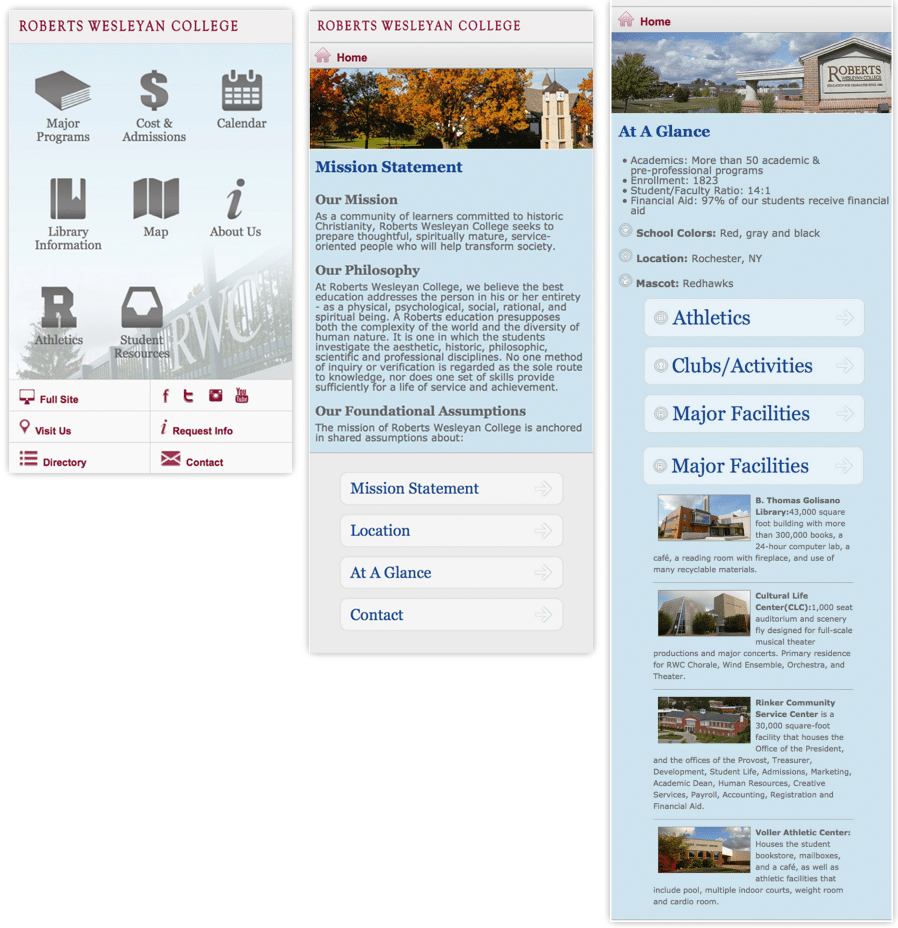
Early in my career, I led the design and development of the first responsive website for the college
The Improved responsive website
2. UX Audit & Structure Redesign
I began by evaluating the existing storefront:
Identified friction points in navigation and browsing flow
Mapped page hierarchy and user pathways
Analyzed inconsistencies in layout and content organization
From there, I restructured the experience by:
Simplifying navigation to reduce decision fatigue
Clarifying content hierarchy for faster scanning
Creating more predictable and consistent page patterns
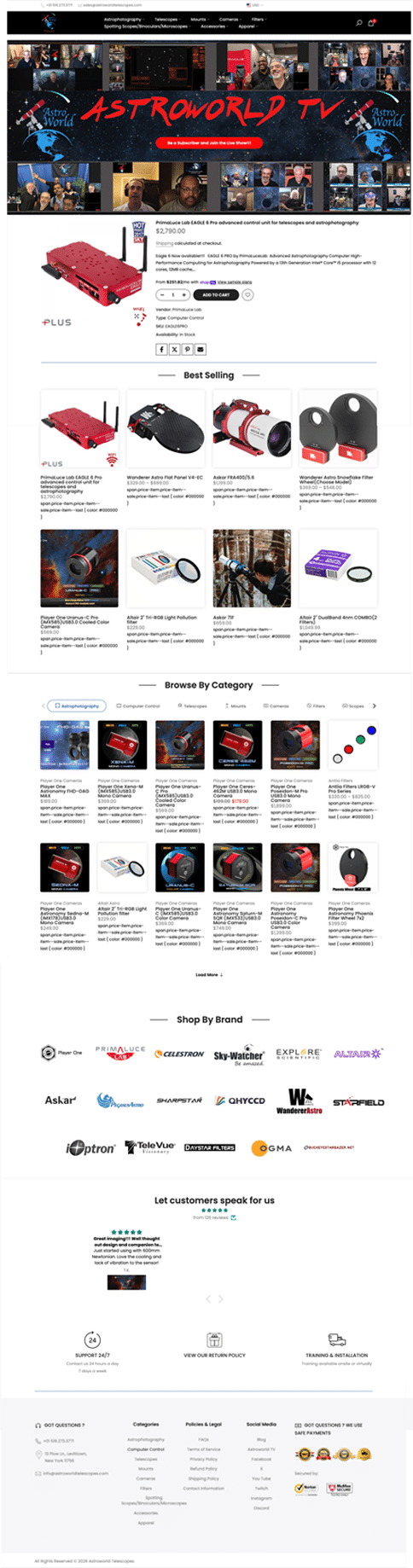
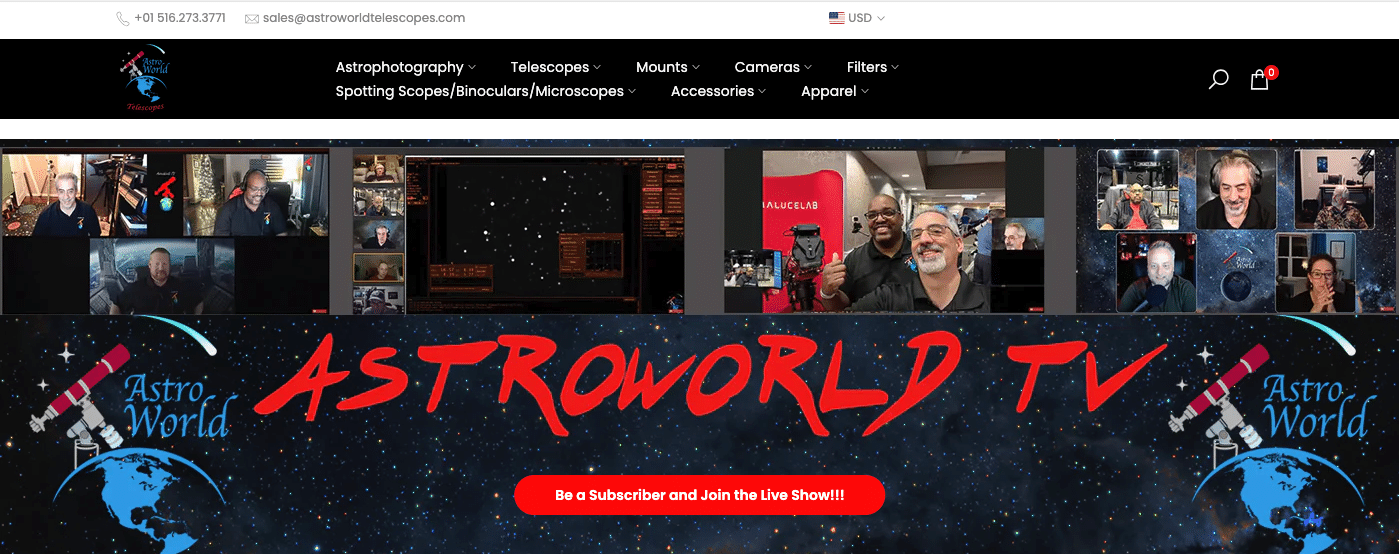
Store front with an overwhelming user path
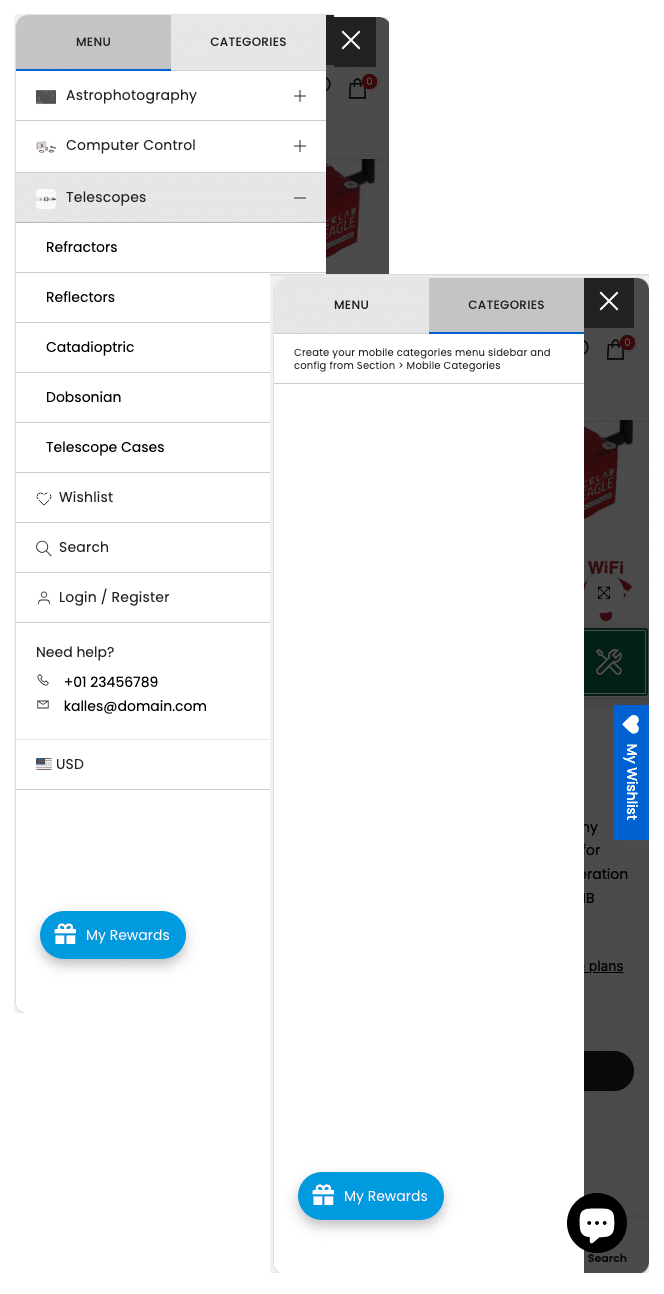
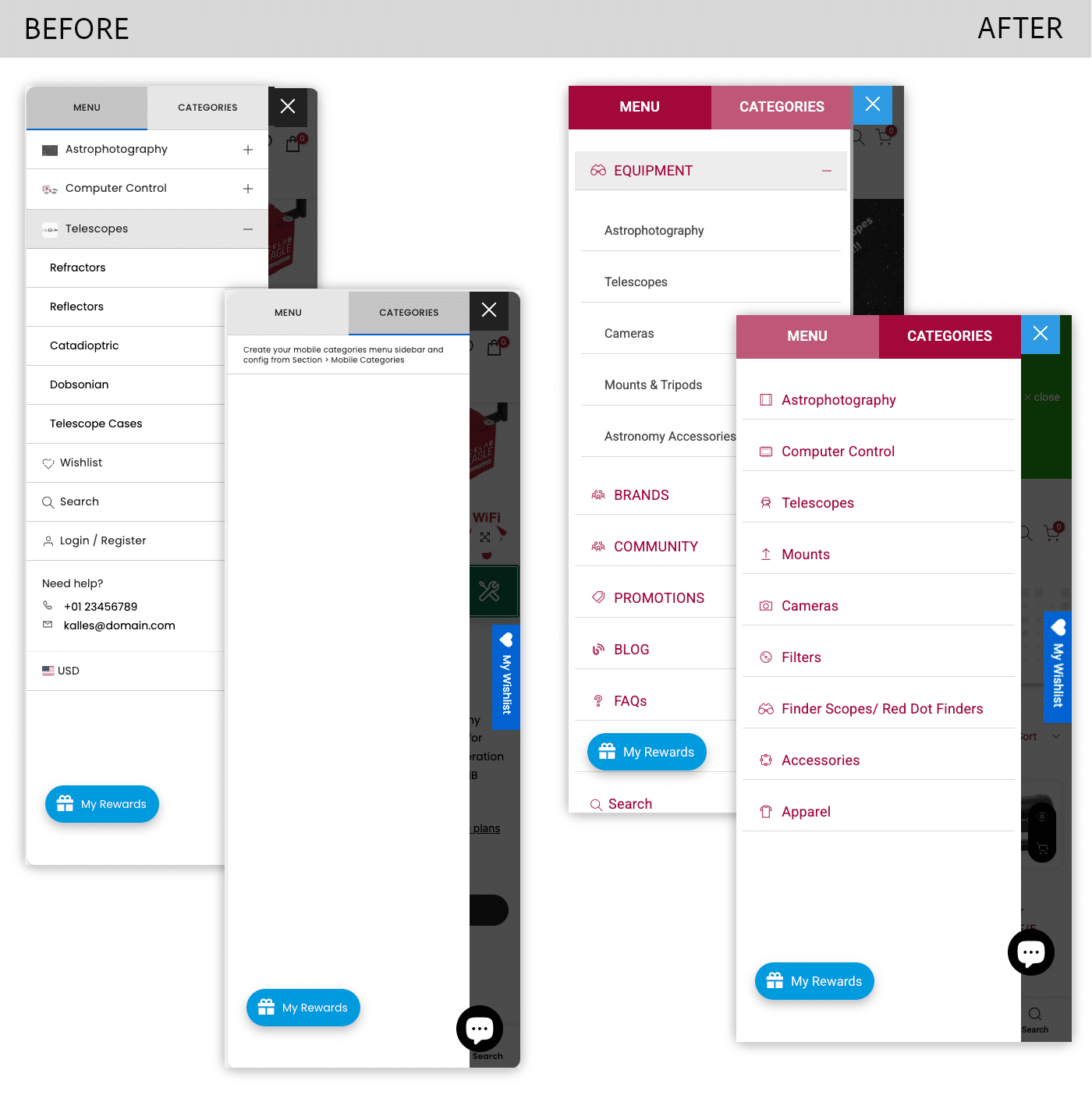
Mobile navigation hierarchy isn’t clear and friendly
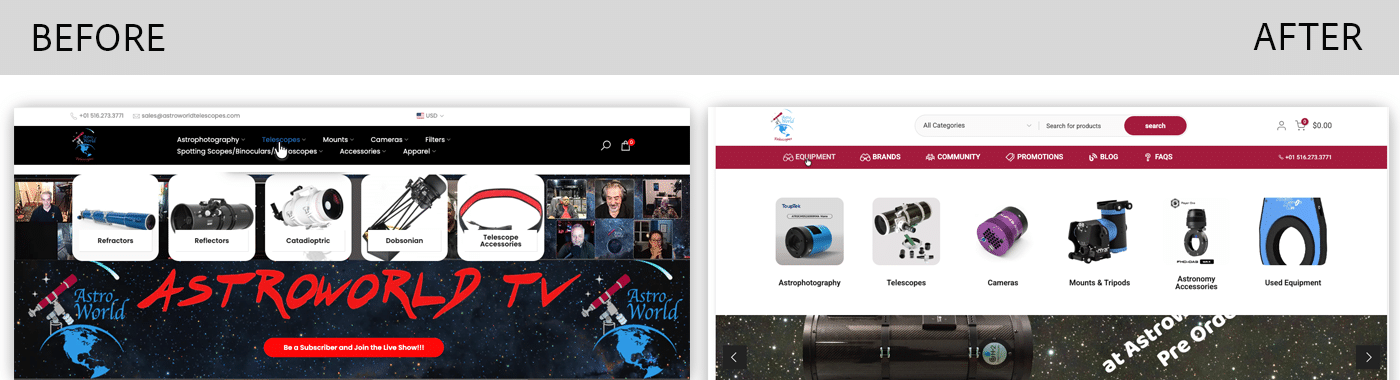
The new user path for the site
3. Designing Within Constraints
Shopify’s theme system imposed clear limitations:
No full control over backend structure
Restricted layout flexibility
Dependency on existing components
Instead of seeing this as a blocker, I treated it as a design constraint:
Customized UI using CSS and theme configuration
Reused and adapted components to maintain consistency
Optimized layouts without breaking the system
This required balancing design intent with technical feasibility—a key aspect of product design.
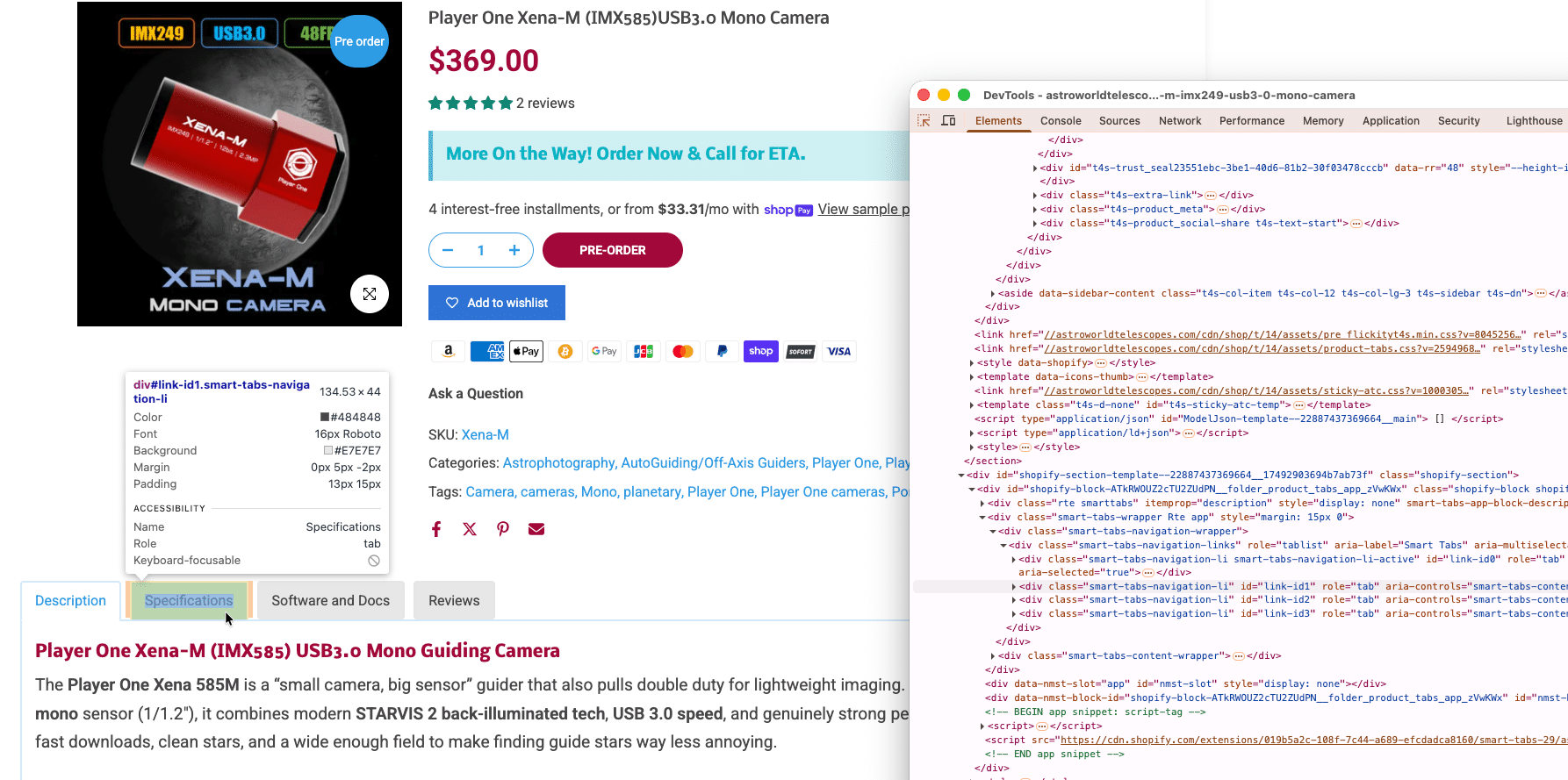
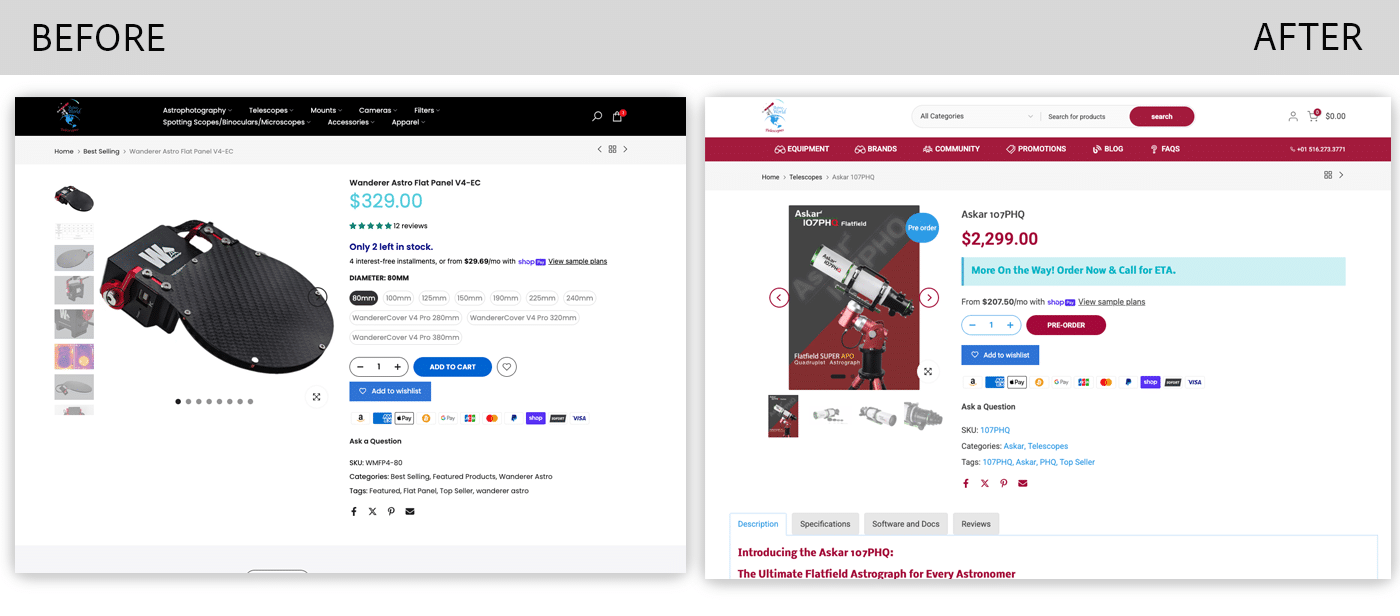
CSS customization on Shopify style
Key Design Decisions
Simplified Navigation Reduced unnecessary steps and improved wayfinding across the site
Improved Product Discovery Structured content to make browsing more intuitive and efficient
Consistent Layout System Established repeatable patterns across pages to reduce cognitive load
Responsive Optimization Ensured usability across devices, building on my experience with responsive systems
Simplified navigation
Improved product discovery flow
Outcome
Delivered a full storefront redesign within an existing Shopify theme
Improved usability by reducing friction in navigation and browsing flows
Created a more scalable and maintainable design system
Eliminated the need for costly custom development
This project reflects my ability to design within constraints, think in systems, and deliver scalable user experiences—skills directly aligned with product design.
Main Navigation structure
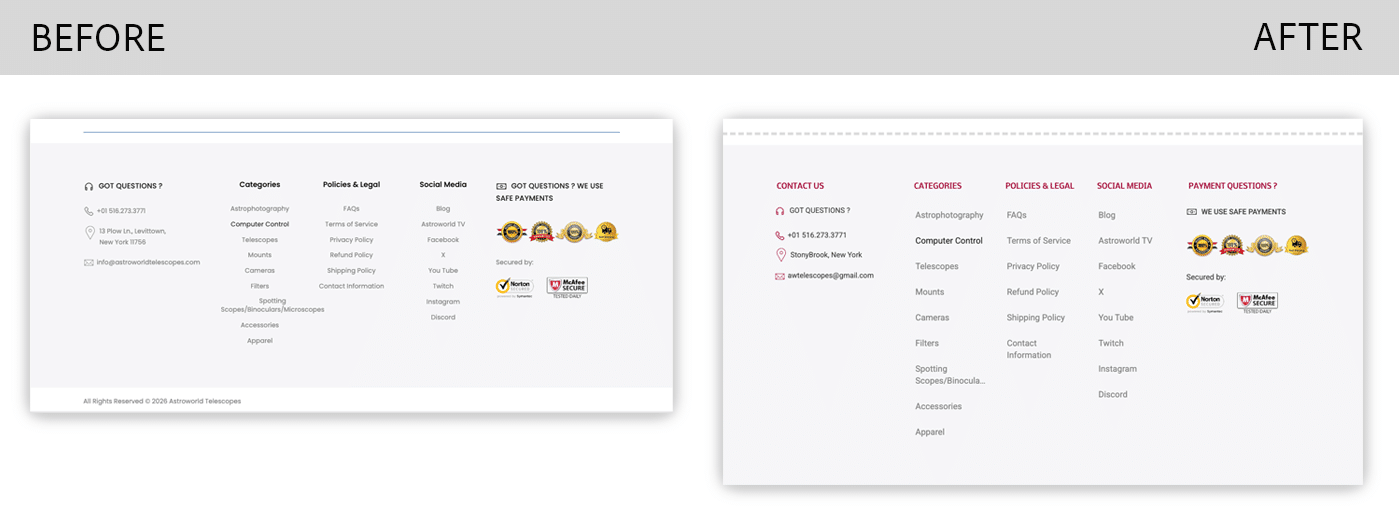
Footer Navigation structure
Mobile Navigation structure
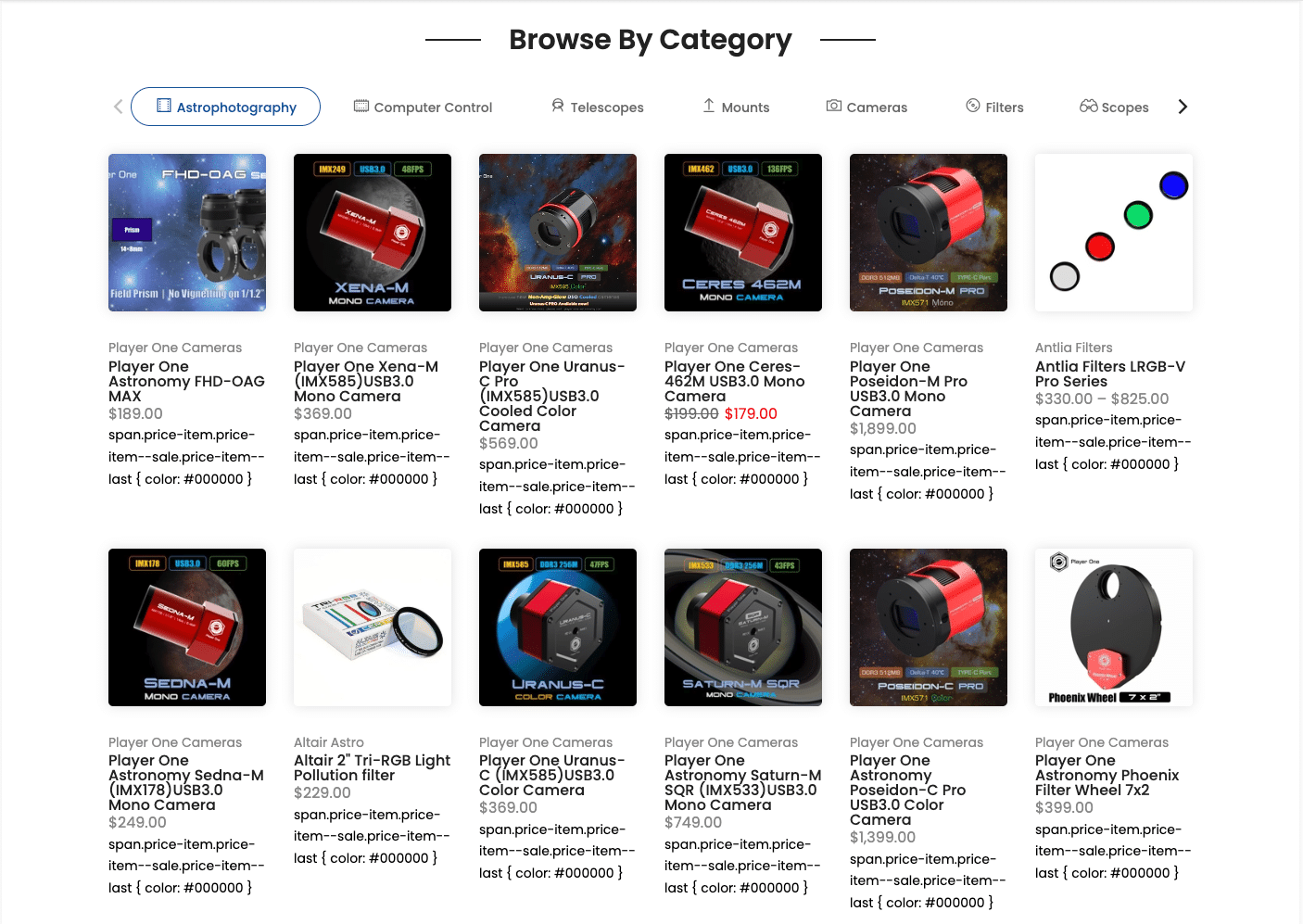
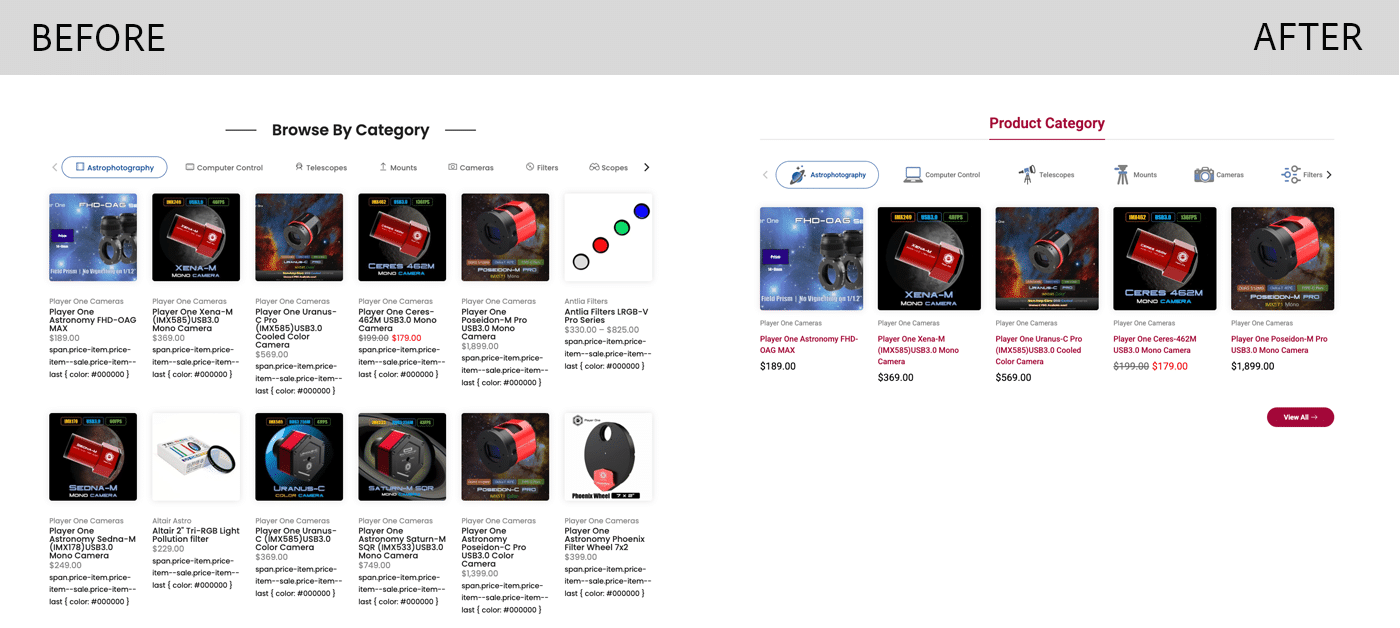
Category UI improvements – less visual overwhelming